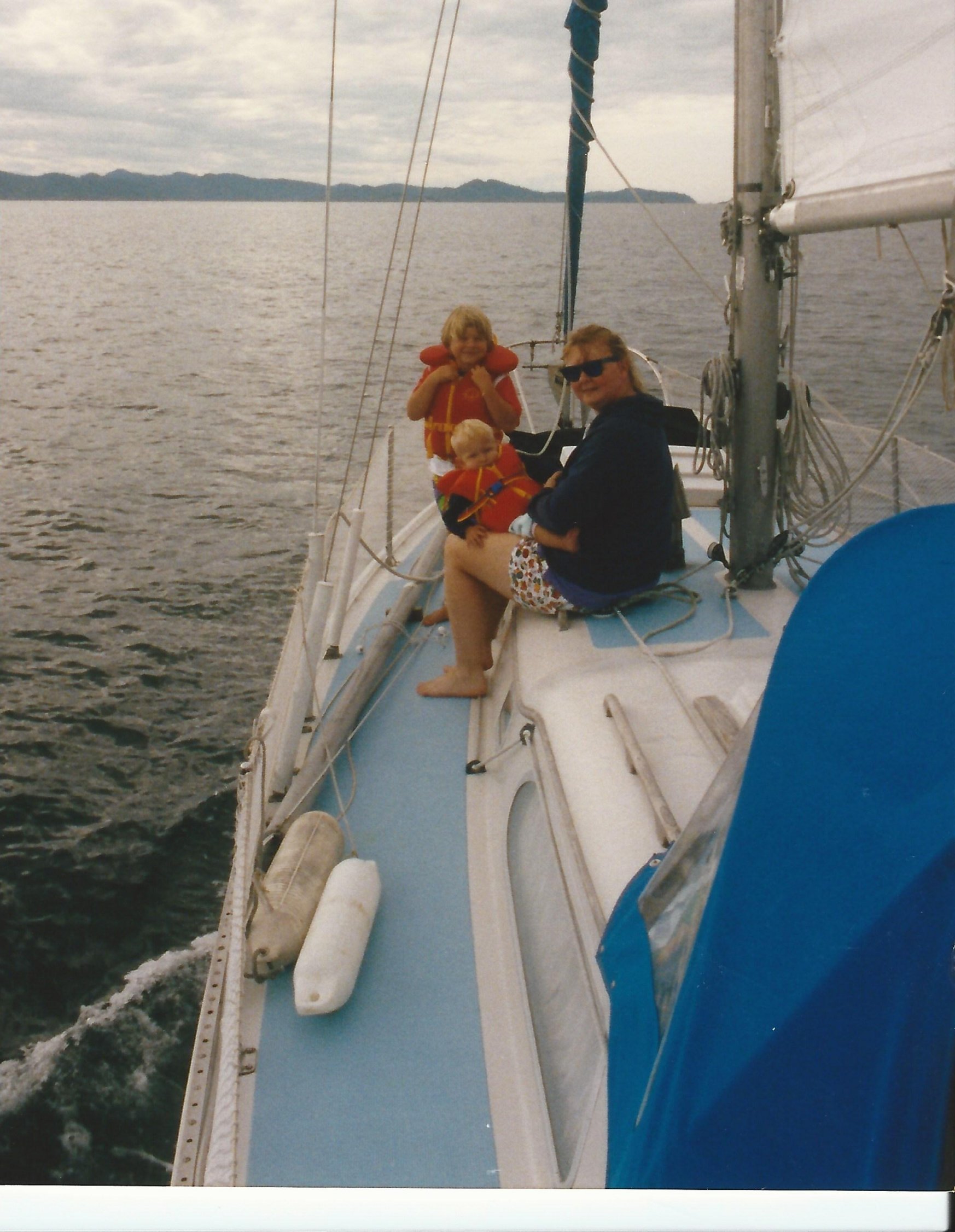
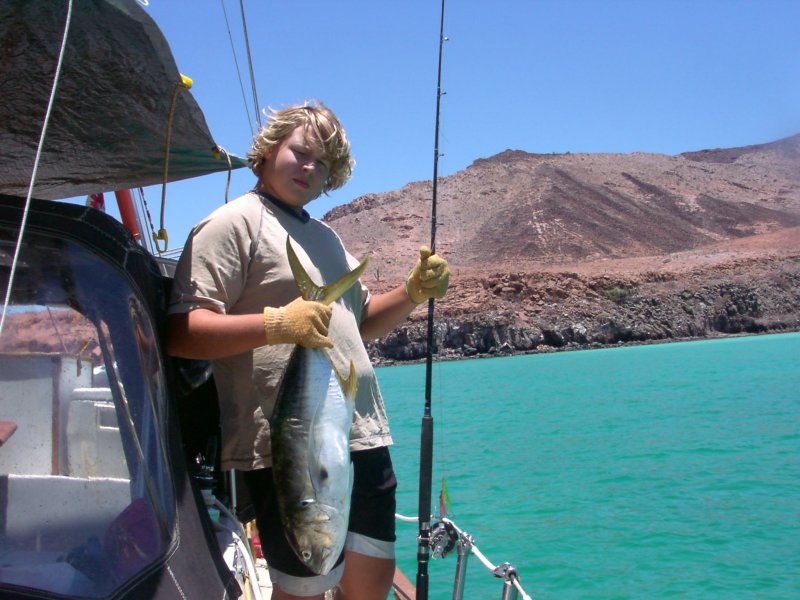
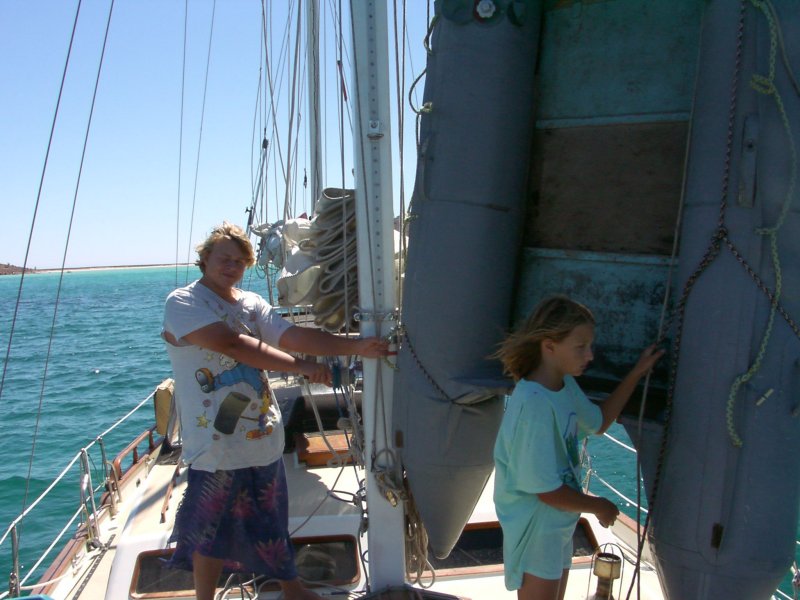
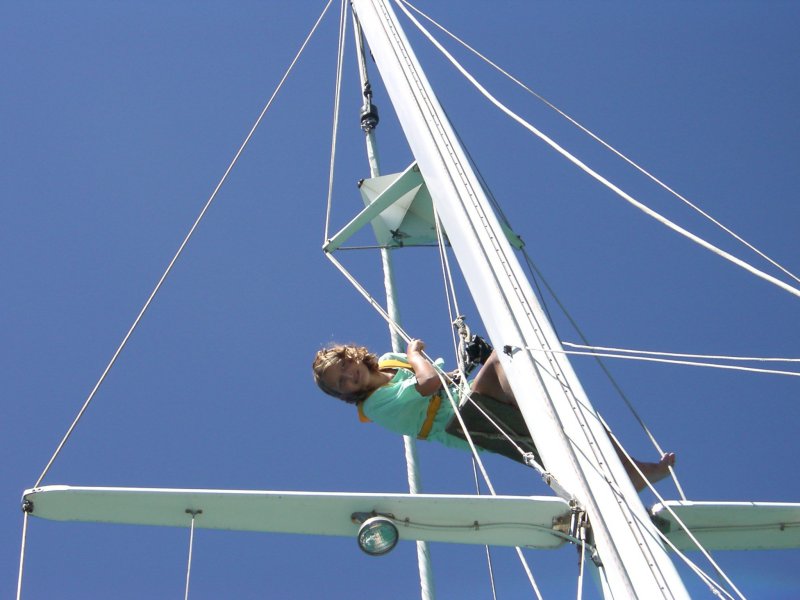
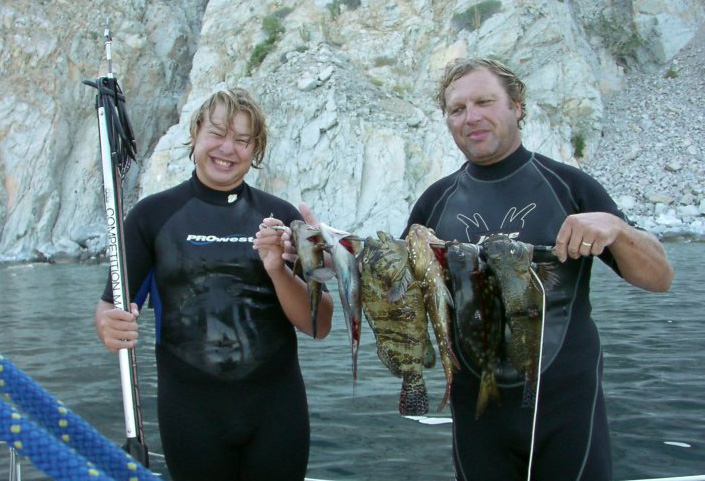
I can best illustrate as to what I was up to in the summer of 2020 by showing you the press release of our voyage.
For immediate release
VANCOUVER ISLAND, BC
A group of Vancouver Islanders have teamed up together to sail around Vancouver Island, covering close to 800 kilometers through some of the most beautiful coastal scenery in the world.
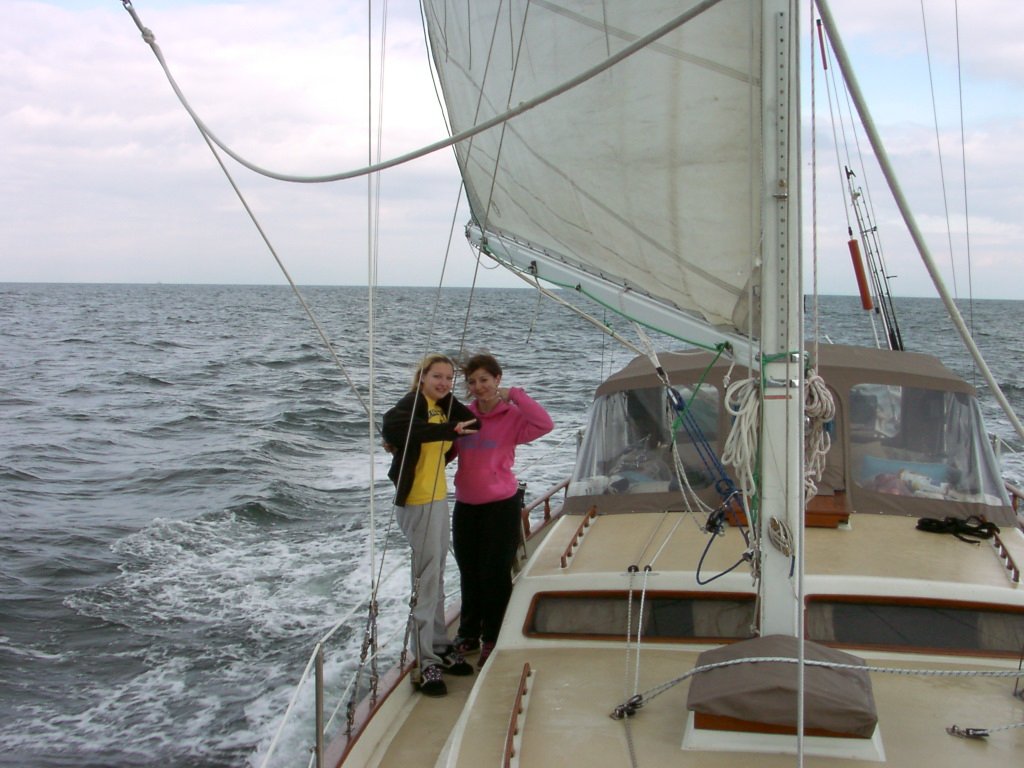
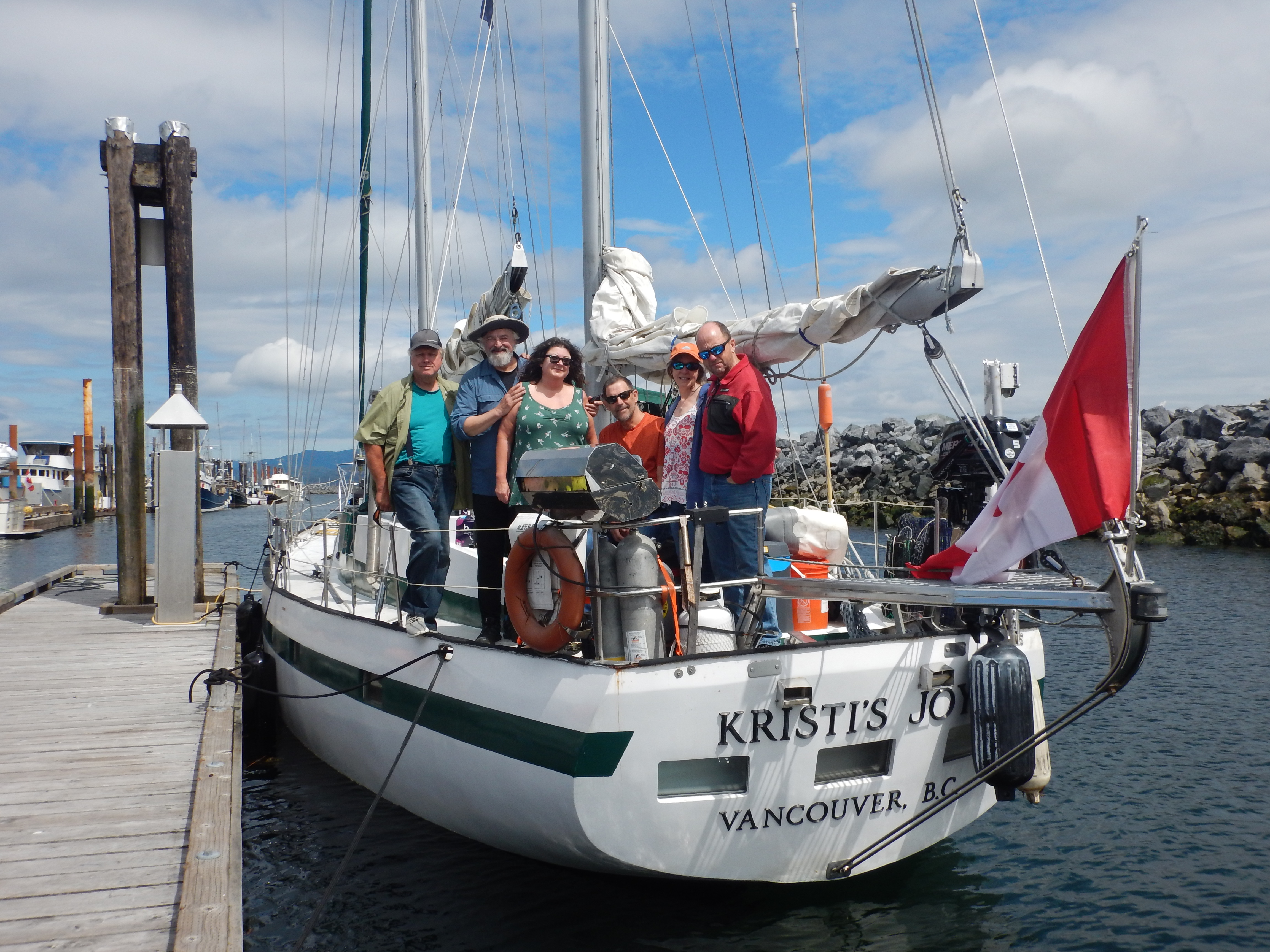
The crew aboard, a 65-foot ketch, SV Kristi’s Joy home based in Ladysmith, BC will depart out of Nanaimo in early July and return to Ladysmith in mid-August.
The team aboard is made up of videographers, writers, geologist, divers and blue water sailors.
The circumnavigation marks the first leg of a three season expedition to journey in the wakes of previous explorers such as Captain George Vancouver, Captain Cook and the Sir Francis Drake who plied these waters as early as 1578.
The early pathfinders opened the sea routes for Europeans to settle Vancouver Island, paving the way for fur traders, whalers, commercial fishers, coal miners, prospectors and lumberjacks, all drawn from around the globe by the bounty of Vancouver Island, leading to the development of the British Columbia as we know today.
Our voyage through history also relives the life and struggle of the nearly 50 First Nations who have inhabited this great island for over 10,000 years before the appearance of Captain Drake. The team will visit abandoned indigenous communities watched over by the spirits of Elders, as well as interviewing contemporary leaders of the indigenous People.
Shipwrecks, spawning salmon, killer and Gray whales, Black and grizzly bears. Old growth coastal rain forests, remote deserted isles and forgotten settlements will be documented.
The corporate teams leading this Vancouver Island documentary consist of Vancouver Island based TERRA MARINE ADVENTURES of Nanaimo, who is using their vessel Kristi’s Joy as lodging and a recording platform. S.V. MAIATLA and AJ’s INDUSTRIES, authors and publishers of Seafaring Adventure Literature, and TAKE 5 PRINT AND DIGITAL MEDIA publishers and video producers. The consortium intends to produce a series of documentaries and books showcasing Vancouver’s Island history of land, sea and peoples.
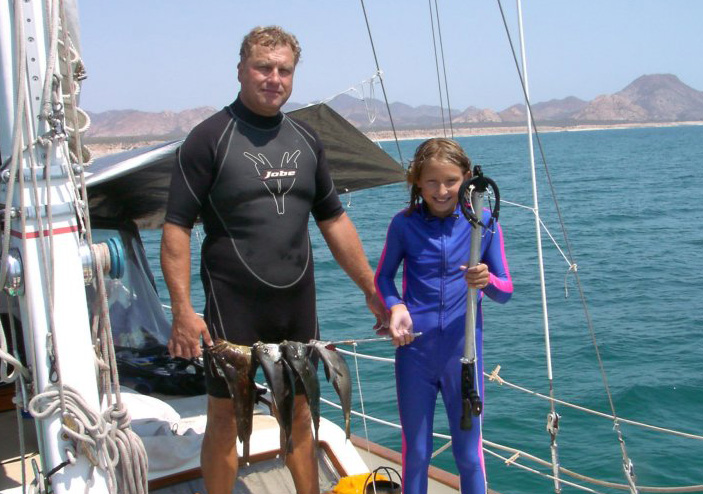
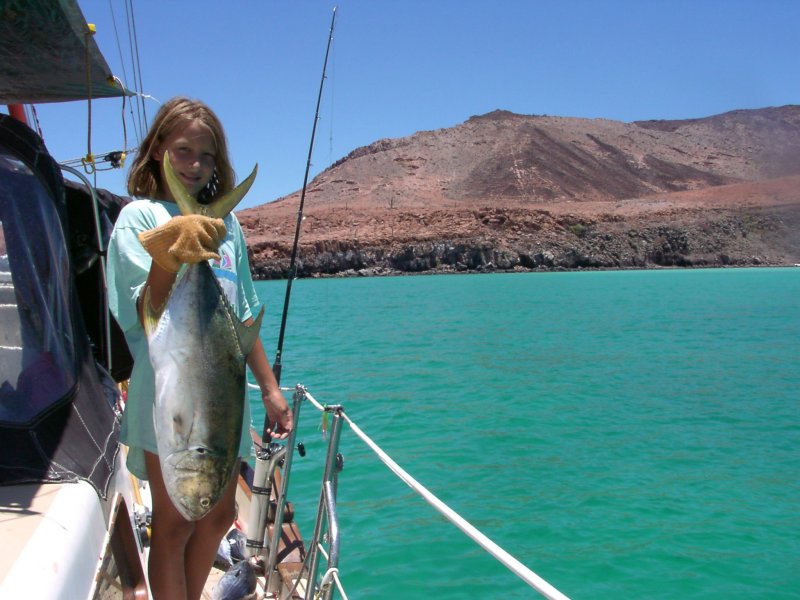
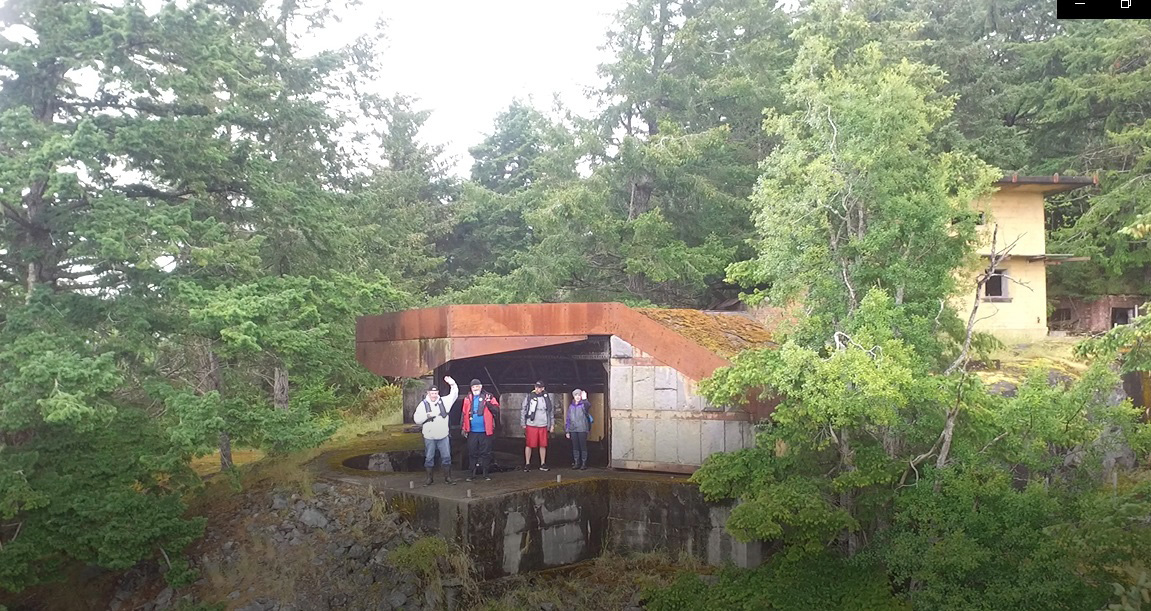
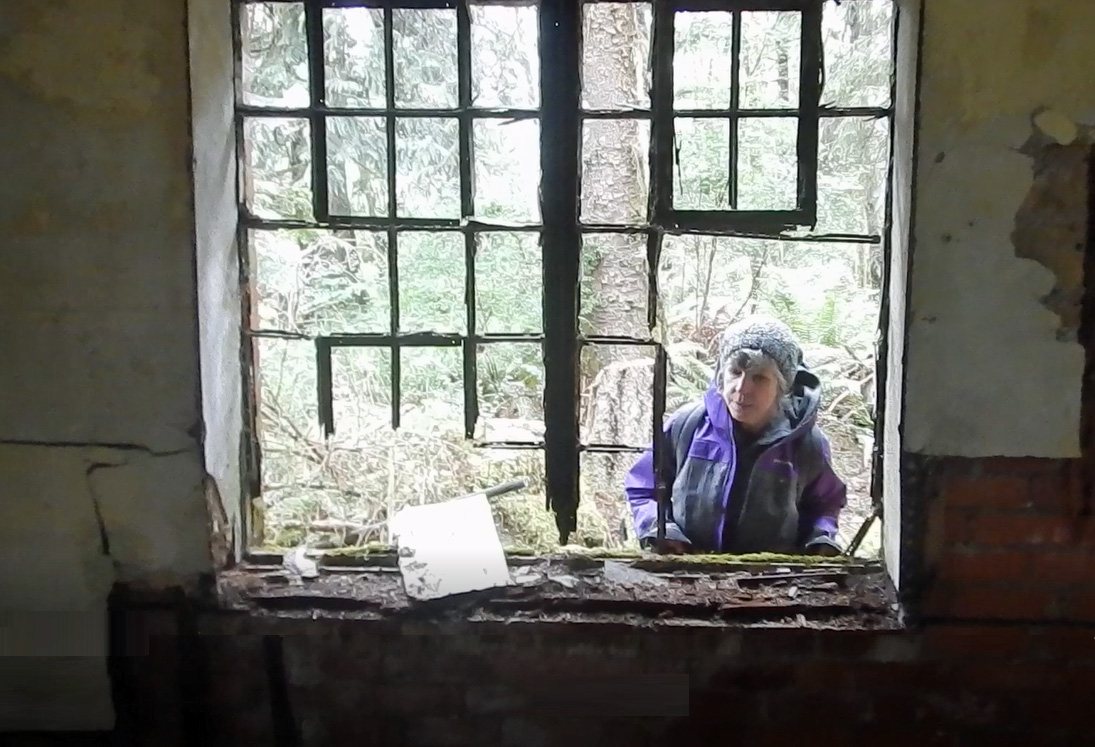
Due to obligations to our consortium, many of the video and photographs, both topside and below the water I captured are not ready for public release. However I can show a sampling of what is to come.
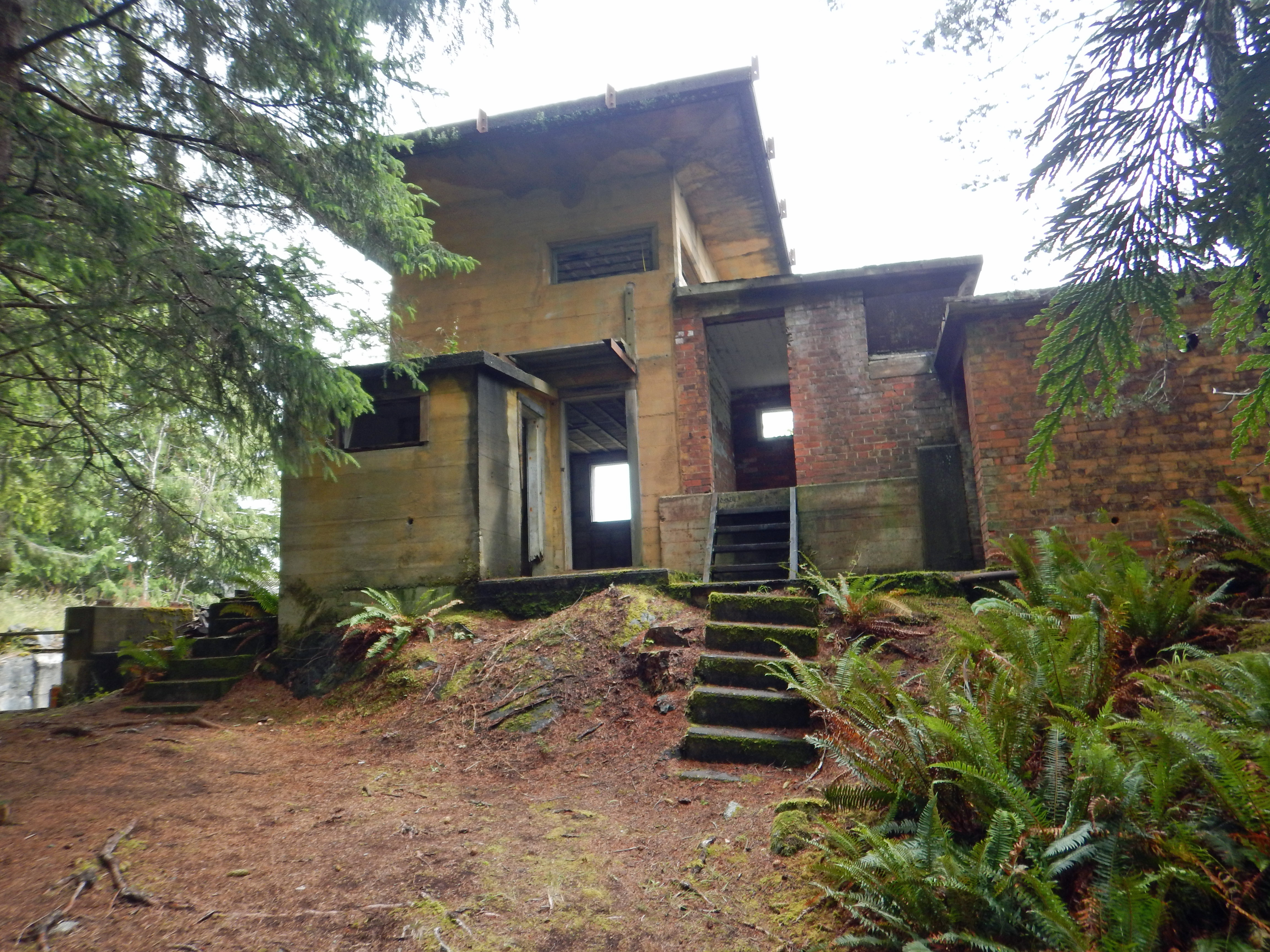
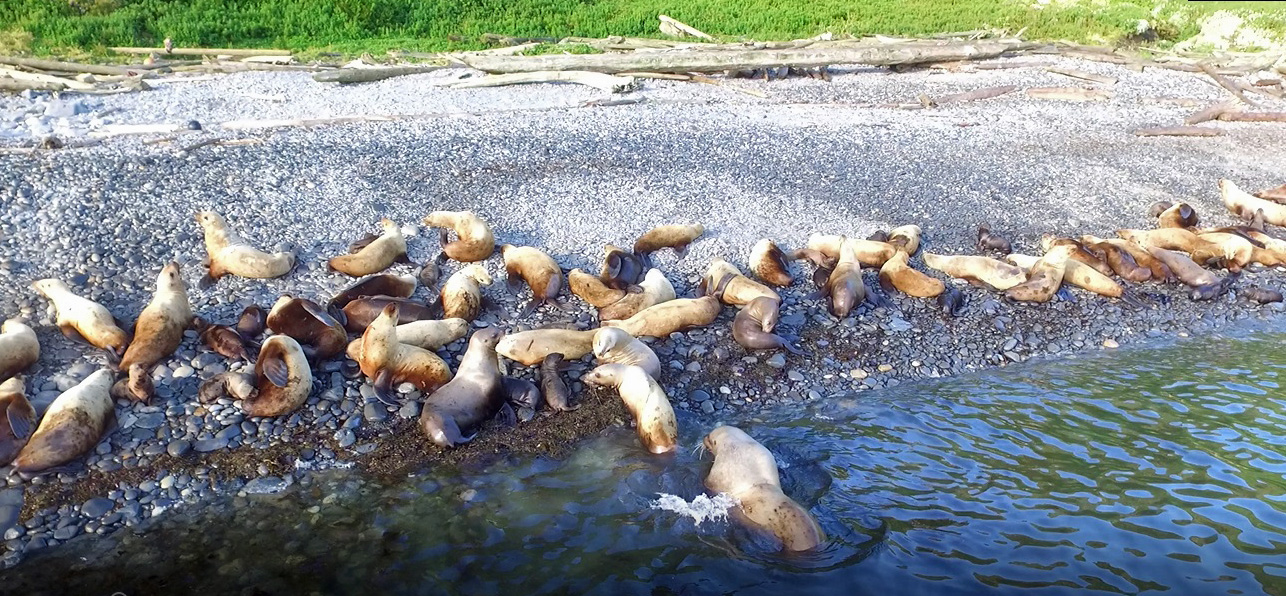
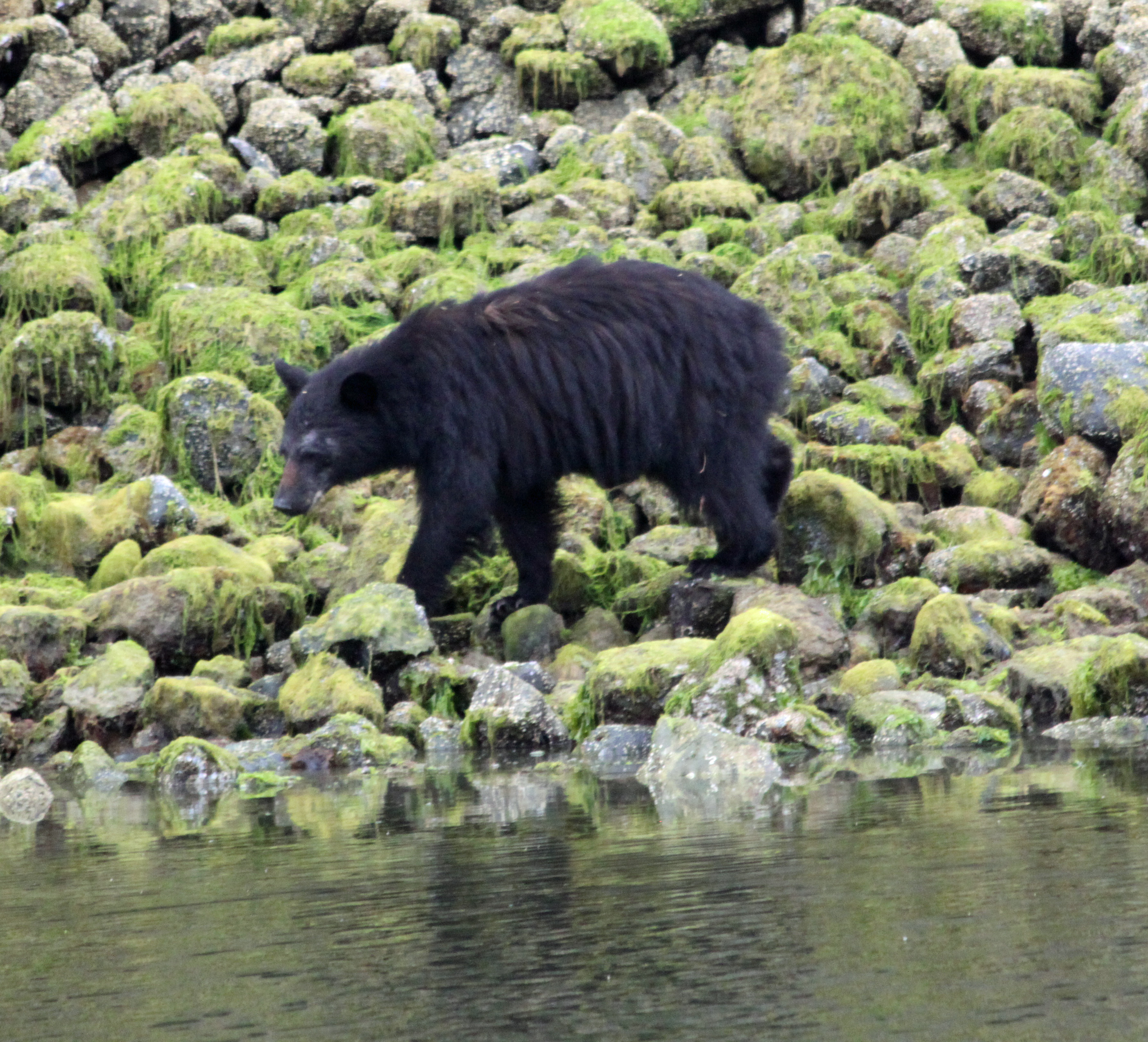
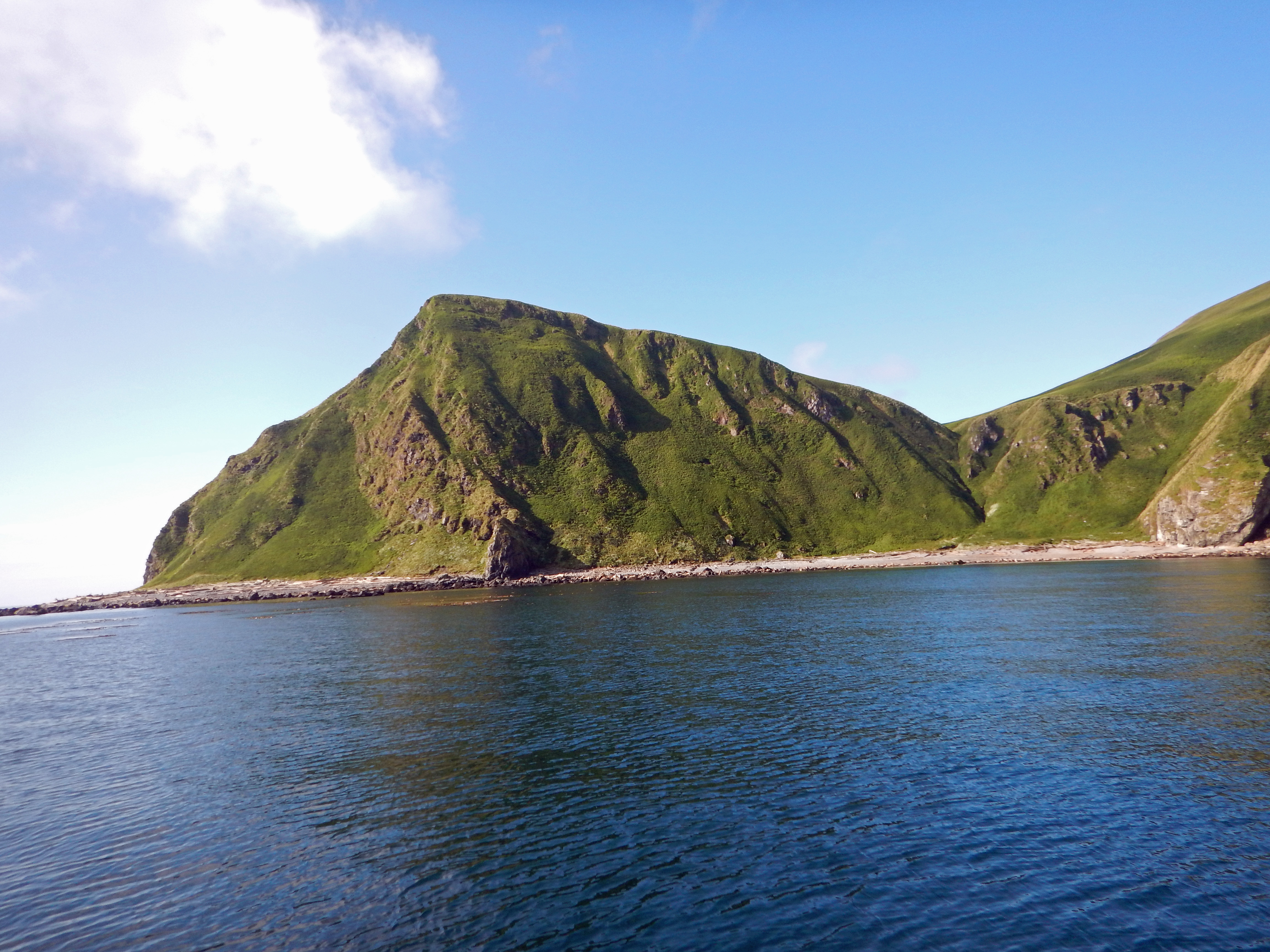
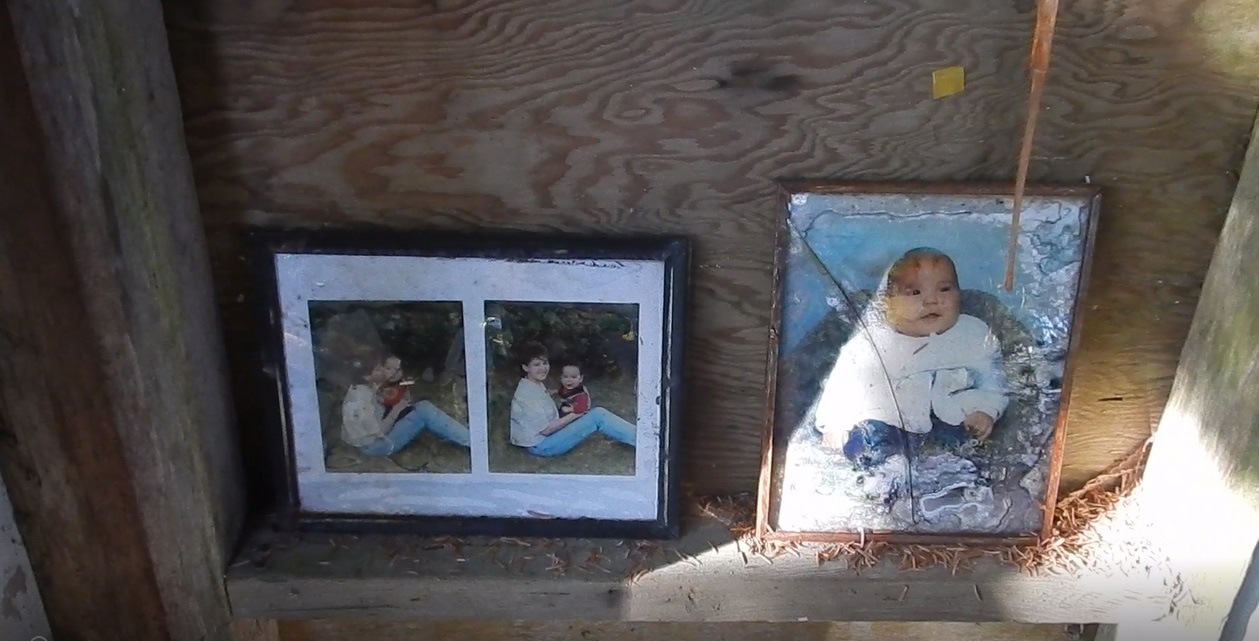
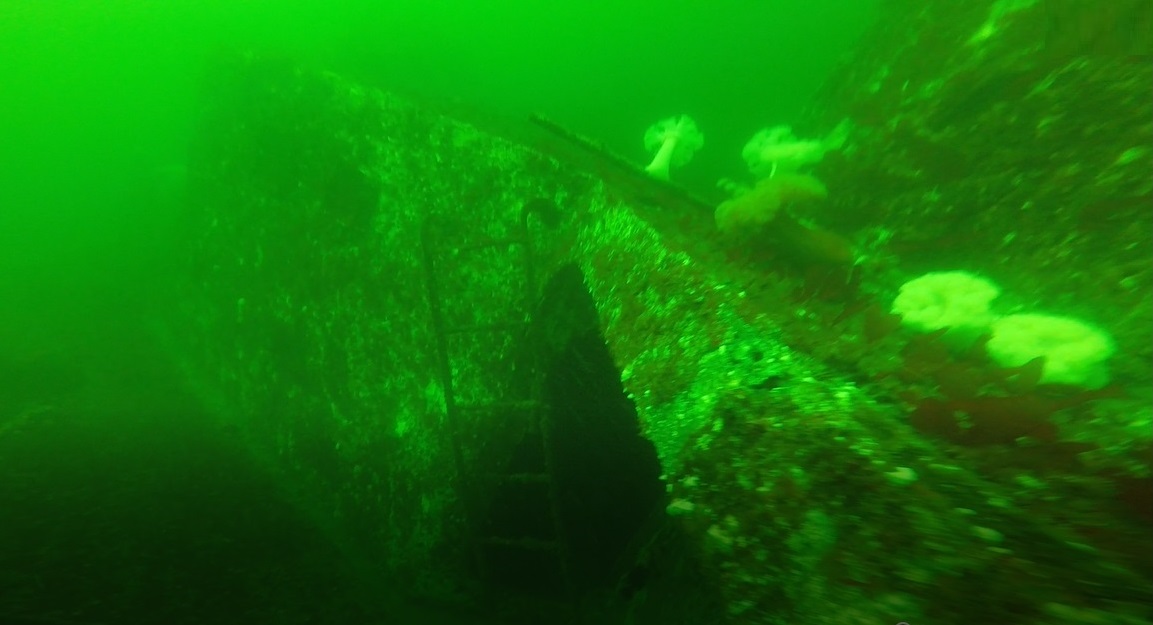
For more information and Pictures of our Voyage check out SV-Kristis-Joy Face book Page.https://www.facebook.com/SV-Kristis-Joy-109338090970840
Typical of many a voyage, things rarely go to plan but it was a fascinating and challenging voyage. Despite spending months in Preparations and and maintenance of the boat, our voyage was fraught with mechanical break downs. Not to mention that on the isolated and rugged west coast, we suffered through two separate groundings of Kristy’s Joy either of which not for the ingenuity of the captain and crew the vessel would have surely been lost. As it was she sustained serious structural damage both above and below the waterline. ( I have this story earmarked for publications in various Yachting magazines)
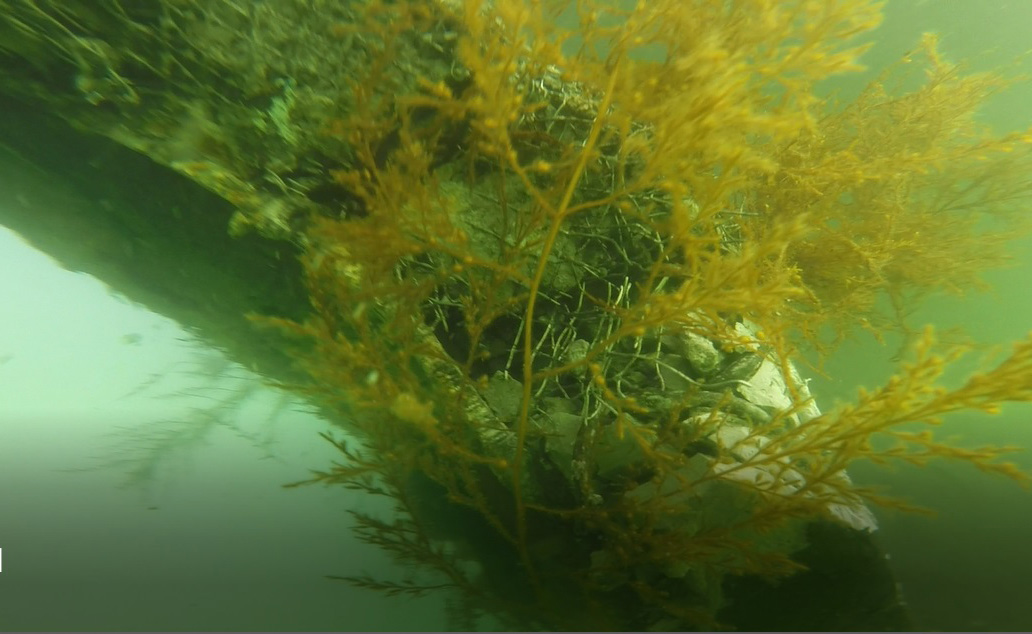
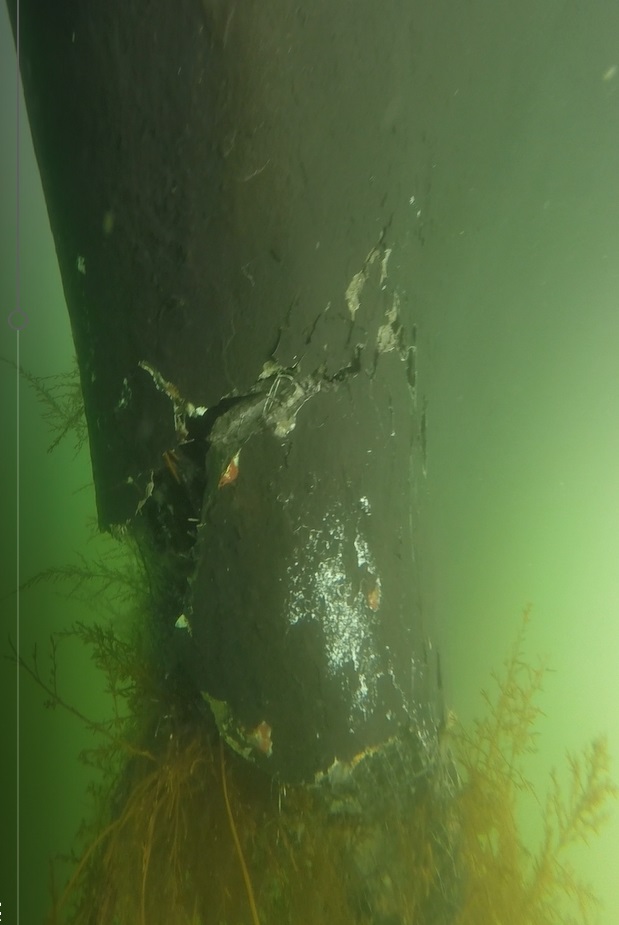
Aside from the magnificent wild and sea life encounters, exploring remote and desolate islands, we were enveloped by the almost mystical history of the indigenous peoples of the B.C. coast.
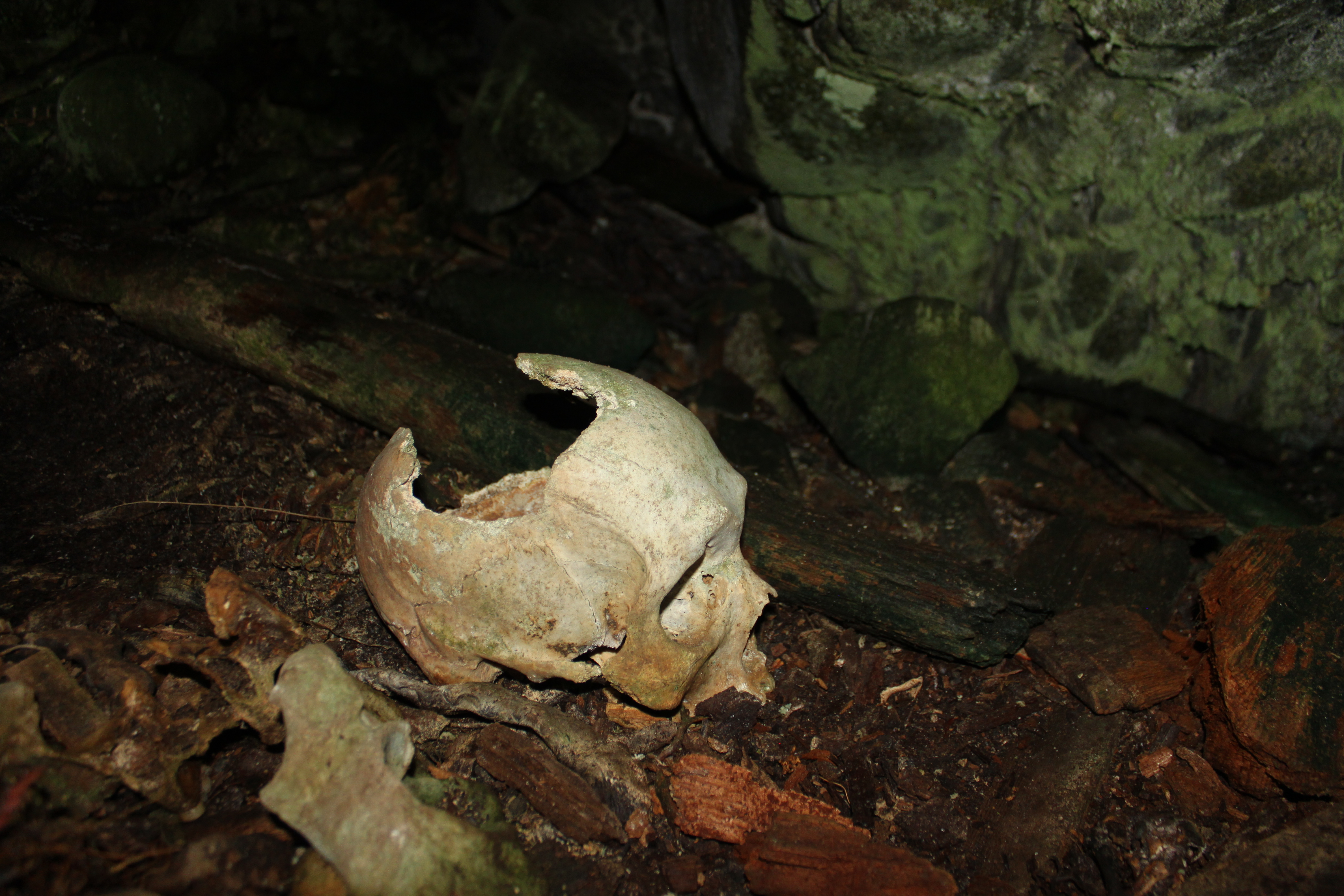
However due to covid19 restrictions our interaction and planned interviews were curtailed to a later date. However were were fortunate to be able to explore many uninhabited Indigenous sites around Vancouver Island. It was during one of these shoreside exploratory that I stubbled upon and cave with dozens of long diseased occupants. With the greatest of respect and with apologies to the occupants I napped a few photographs the existed leaving all as we had found them. For obvious reasons we will not disclose the geographic location of this particular cave, but the detains of its discovery by us will be addressed in our Completed documentary of this voyage. As well as being featured in books I’m present engaged in writing.
This recent discover of an ancient burial cave was not my first, so for those of you who can’t wait for the movie, here is the story of my first encounter in 1985 with those who have been interned in the belly of Vancouver Island.
WHALES SHIPWRECKS AND SKULLS
By
Andrew Gunson
The briny scent of the low-tide bit into our nostrils leaving the taste of the sea upon our lips. We cautiously crawled along with only a solitary flashlight to pierce the inky depths of the cramped, chilled cave. It almost appeared as though it were raining inside as water oozed through small fissures to drip with eerie echoes into tiny iridescent pools.
The floor of the one and a half-meter diameter tunnel felt spongy under my knees as I crept along. My flashlights beam reflect off the glistening stone only to vanish as if sucked into the blackness of the rocky walls.
Tom, who was close on my heels, was just saying something about this being a bad idea when we round a slight bend. Slowly panning the light in front, I froze as I came face to face with a human skull guarding the path. The hauntingly vacant eye-sockets stared at me from a jaw-less bronze colored skull, sending a reluctant shudder through me, bristling the hairs on the nape of my neck.
I was stunned, had we found an ancient Indian burial cave? Or just some hapless fisherman who had crawled in the cave seeking shelter, perhaps after wrecking his boat on this storm-ravaged shore. The only way to know for sure was to crawl on deeper into the bowels of the island.
It was the summer of 1985 when I traveled to Barkley Sound on Vancouver Island’s, rugged West Coast with the Underwater Archeological Society of British Columbia.
Our team of fifteen divers was to survey and recover artifacts from the 235-foot sailing vessel, The ERRICSON, which was driven ashore on a rocky island one stormy November’s night in 1892. Fortunately, and to the delight of the team we were accompanied by Allen Edwards and his cameraman from BC TV, to film a mini documentary on our discovery of the virgin historical wreck and the subsequent recovery of artifacts.
The morning of the fifth day on the wreck site broke as beautiful as anyone could imagine, a stark contrast to the overcast and choppy condition of the previous days, which plagued our diving operations.
Tom Upton and I spent part of the morning working on the deepest section of the wreck, which lay in just over thirty meters of water on a barren sandy slope. The dive was uneventful; however, the visibility was poor due to a heavy plankton bloom making it difficult to work as I drew the sketches while Tom measured up the ship’s massive rudder as it lay upon the bottom.
After burning up our bottom time, we slowly finned our way upward through the corridor of exhaust bubbles breaking the surface not more than twenty meters from the salvage boat. I gave Tom the thumbs up, then peered towards our tender as she gently rolled on the oily swells.
To my surprise, the cameraman was perched precariously on the boat’s rail. He was filming us bobbing cork-like in the sea while the rest of the salvage team were waving frantically, shouting and pointing to the water behind us. Puzzled, we spun around but saw nothing save for a patch of ominous foaming water that spread to encircle us.
It wasn’t until after returning to the boat did we learn that a large gray whale and her calf had leisurely swum through the tiny cove. Apparently, as they arched their tails high into the air to dive, we unwittingly popped up right behind them, evidently just missing the mother’s massive tail flukes as she gently slid from sight leaving hardly a ripple to tell of her passing.
As we took a lunch break, our charter boat skipper regaled us with tales of the indigenous peoples. Stories of tribal wars, cannibal dances, savage massacres and secret burial caves with Indian chiefs laid out in ornately painted war canoes. The “sacred burial sites”, as he told us, were plentiful in the Broken Island Group, if you knew where to search.
With time on our hands until our next scheduled dive, a few of us accompanied by the BC TV news team took to the herring skiff. With adrenaline running and ignorance as our guide we headed for a likely looking island.
We grounded the skiff on a picturesque scimitar shaped beach and immediately separated to begin clawing our way through the matted Sala shrubs and thorny blackberry bushes. Logic dictated that a secret burial cave would have a hidden entrance. So, for the next hour, we scoured the island, every nook, cranny and crevice.
Exhausted and with torn, bloody hands, I finally conceded to defeat and slid down the muddy embankment to land back on the beach. The rest of the team was already waiting by the skiff and from their expressions, I knew that they had no-better luck than I.
While marching along the sandy beach, I heard a feeble call from behind me. It was the cameraman who was poised at the water’s edge and he was pointing at a small opening in the rocky wall just above the high tide mark. With a bemused smirk, he asked matter-of-factly, “Is this it?”
Remarkably, the hole in the rocks was in plain view and visible from the boat. Somehow, in our rush to be discoverers of ancient worlds, we had all missed it.
As I was the only one to have brought a light, I was unanimously volunteered to crawl in and check it out. I grabbed Tom and instructed him to watch my back and with more than some reluctance, we disappeared ferret-like into the earth.
While crouching in front of the human skull, it took several minutes of animated and colorful discussions between Tom and I before we decided to press on. So, with great care as to not disturb the skull, I slid past and burrowed on another ten meters or so with torrent scenes from “Raiders of the Lost Ark” flashing through my head.
Suddenly, the ceiling of the cave sloped upward and for the first time, I was able to stand erect with only a handful of centimeters to spare. I said nothing as Tom first pushed my legs aside who then grabbed my jacket sleeve and with a grunt, hauled himself to his feet.
The seemingly incessant rain had ended with the black dirt floor surprisingly dry. I panned the light about the bulb-shaped cavern that was perhaps five meters in width. A stifling musty acrid odor filled the room, seemingly robbing the oxygen from my lungs.
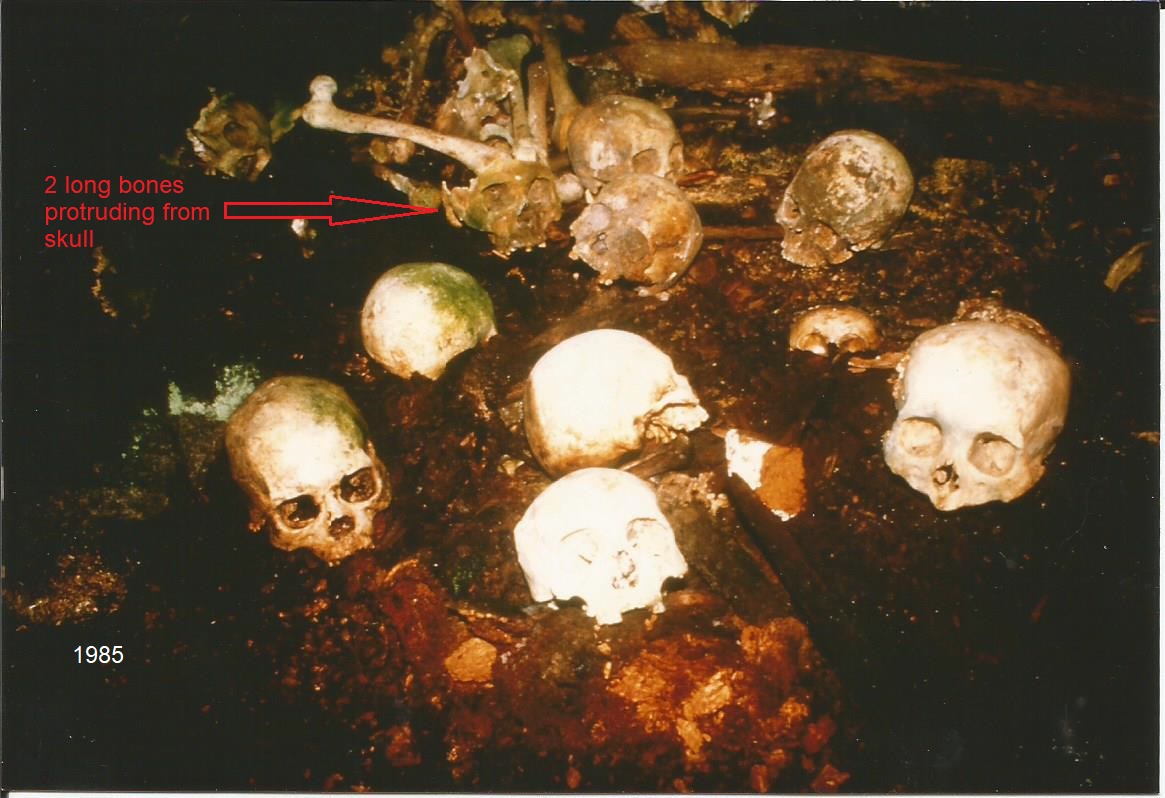
Neither of us spoke as we struggled to come to grips with what we had blindly stumbled into. It was like our minds refused to acknowledge what our eyes were seeing, leaving all of our senses numb. The floor was littered with hundreds of long bones scattered around a score of human skulls and in the back, propped against the wall was evidence of more recent usage.
In the feeble light, the decaying remains of what appeared to be a roughly hewn cedar coffin lay collapsing. One side of the box was crumbling away and cradled inside was a human skeleton, clothed in now tattered rags. Tom, who was still clinging to my sleeve first muttered something about an ancient curse, then he was gone.
Alone, I nervously I fumbled with my camera as I apologized for the intrusion to the tomb spirits and promised not to disturb anything as I flashed away. I burned up a roll of film then quickly did a head count, quite literally, I counted twenty-one skulls and skull fragments.
Oddly, in the center surrounded by the others as if holding court, was a large skull. Its cranium was missing and sprouting from the brain cavity were two long bones that swept back not unlike a mountain goat.
There were obvious signs of animal scavenging which would explain the scattered condition of the skeletons. An animal more than likely was responsible for us meeting the sentry in the tunnel. It probably abandoned its efforts of trying to remove the head from the cavern after rolling it part way down the tunnel only to get it stuck in a rut. A grisly thought.
After reaching the light of day, Tom and I were heralded as heroes as we recounted our adventure. Surprisingly, no one else, including our inquisitive news team wanted to venture in, yet all seemed content in taking our word for what we had discovered.
A week later, back in Vancouver when I had the film developed, I thought that perhaps the curse Tom had mentioned while we were in the tomb may be at work. Disappointingly, out of the thirty-six photographs I had taken, all save one was ruined; perfect pictures of nothing but a strange, unexplainable darkness as if the flash had failed to go off, yet I know otherwise.
The sole surviving photograph plainly depicts several skulls scattered about. It’s the only evidence I possess to verify my story. However, after giving it some thought, perhaps the spirits allowed me to keep just one photo in appreciation for the respect we had shown and for keeping the location of their burial cave a secret.
Barkley Sound lies on the southwestern edge of Vancouver Island, just a short drive from the city of Victoria, the Capital of British Columbia. The entrance to the sound, which is laced with hundreds of tiny islands, is over twenty miles wide and has been a death-trap for countless ships seeking the entrance to the Juan de Fuca Straight which lies due south.
The area is fearfully known to mariners as the “Graveyard of the Pacific” and for over two hundred years, the sirens of the alluring coast have mercilessly dashed countless ships and their crews upon their serrated shores.
The European presence on this seashore, is but a flicker in time when compared to that of the indigenous peoples of the coast. For millenniums, the Nootka, Makah and the roving Haida Indians all have thrived among the isles cast upon the emerald sea. The richness of their history is only rivaled by the majesty of dense stands of yellow cedar that once matted the hillsides and sprawled to challenge the water’s edge.
However, with the arrival of Juan Perez in 1744, the indigenous people began to fall as fast from disease as the magnificent stands of cedar fell to the lumberman’s axe. Little remains of the societies that once rivaled the Aztec’s in cultural expanse and the Roman empire in diversity.
A few pictographs next to bone white middens and scattered burial caves are all that remain of once flourishing societies. Today, much of Barkley Sound is protected and lies within the Pacific Rim National Park.
The ruggedly isolated beauty appears today to visitors much as it did for Lieutenant-Commander James Cook, who in 1778 sailed the H.M.S. RESOLUTION past this lee shore in a vain search for the elusive Northwest Passage.
Today the protected waters of the Broken Island Group are a paradise for sea kayakers, sports divers and yachtsmen alike. In addition, for backpackers, the West Coast Shipwreck Trail enchants as well as challenges even the most experienced wilderness hikers.
Andrew W. Gunson.
 The Naked Canadian